
Road salt: which truck parts go first and what to look for
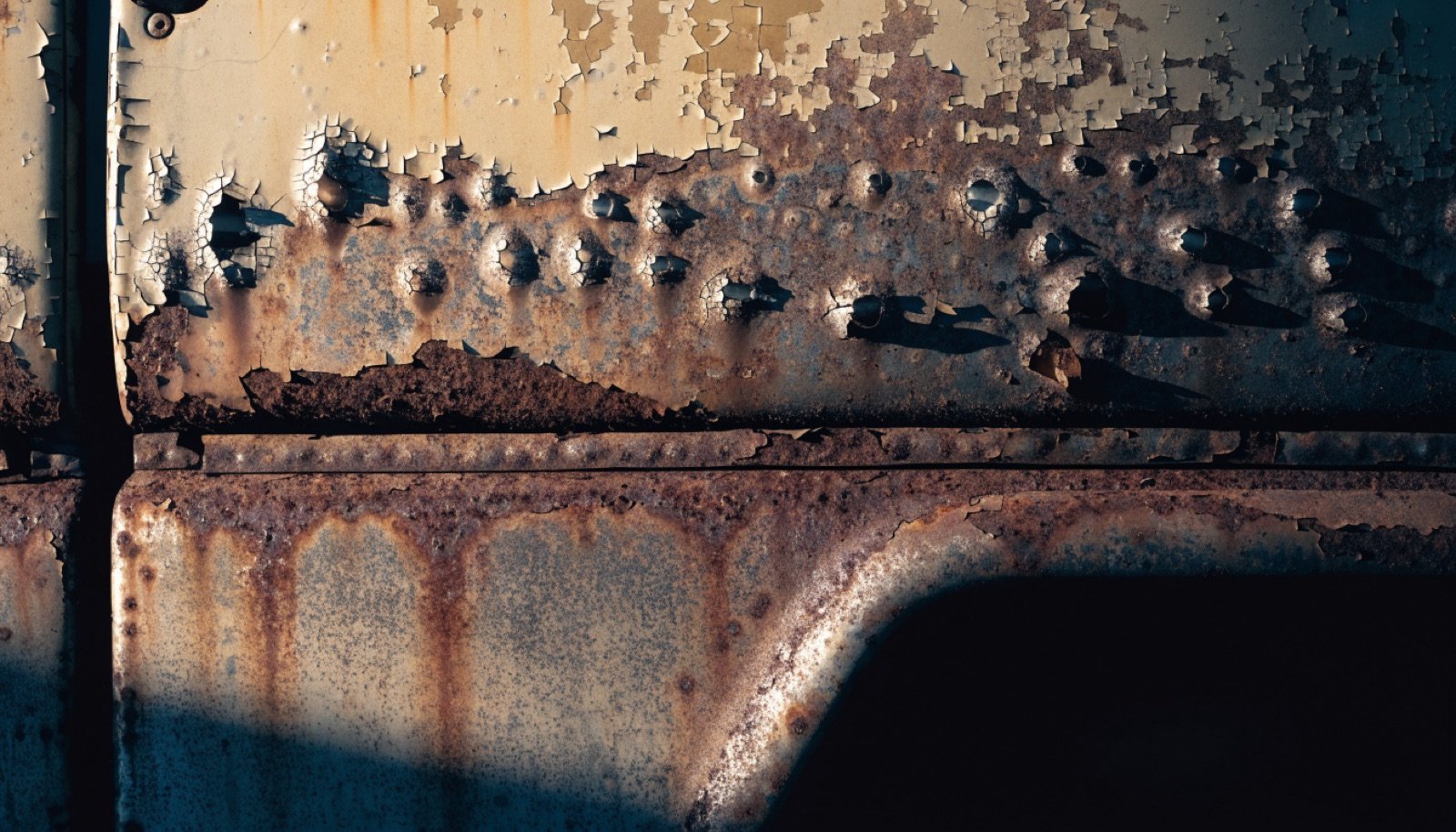
If your truck works through a salted winter, corrosion is not a question of whether but of where. It is also predictable, which means it is inspectable.
Why it starts where it starts
Salt needs three things to do damage: moisture, a break in the coating, and somewhere to sit. Anywhere those three meet is where a truck goes first, and on a pickup that is a short list.
The usual order
Rear wheel arch lips. Almost always first. The lip is a folded seam, it collects spray, and the fold holds moisture against bare metal. It rots from the inside, so by the time it bubbles through the paint there is more behind it.
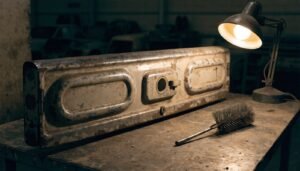
The bottom of the tailgate. Water sits along the inner bottom seam. Same story as the arch: inside out.
Bed side seams and stake pockets. Anywhere two panels are joined and anywhere there is a hole through a panel.
Cab corners and rocker panels. Later than the bed but the same mechanism.
Bumper brackets, not the bumper face. Worth knowing when buying used. The visible face can look fine while the brackets behind it are heavily corroded, and the brackets are the structural part.
How to tell surface rust from real rot
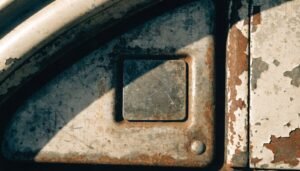
Surface rust sits on the paint or on a bare edge and wipes back to sound metal. It is cosmetic and it is normal on any used panel.
Rot comes from behind. The tell is bubbling under the paint rather than staining on top of it. Press gently: sound metal is firm, and metal that has gone thin will flex or crackle.
On a panel you are buying, look for bubbling along seams and lower edges, not for a perfectly clean surface.
What this means for buying used
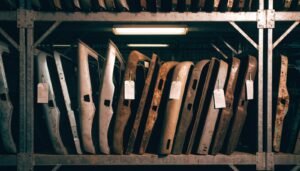
A used panel from a dry state will usually be structurally better than the same panel from a salted one, even at higher mileage. When we list a panel we photograph the lower edges and seams specifically, because that is where the answer is.
It also means a cheap panel with clean paint and bubbling seams is not a bargain. You are buying somebody else's next repair.
What you can do about it
Wash the underside, not just the paint, and do it through the winter rather than at the end of it. Salt does its work while it is sitting there.
Touch in stone chips on lower faces before they open up. It is a ten minute job that buys years on a bed side.
And when you fit a replacement panel, treat the seams and the back of the panel before it goes on. Nobody enjoys doing this and it is the single highest value thing you can do while the panel is off the truck.
When a panel is past saving
If a wheel arch has gone through, the metal around it is usually thinner than it looks and patching it is a short term fix. At that point a used panel from a dry state is almost always cheaper than the labour of repairing the one you have.
Add comment