
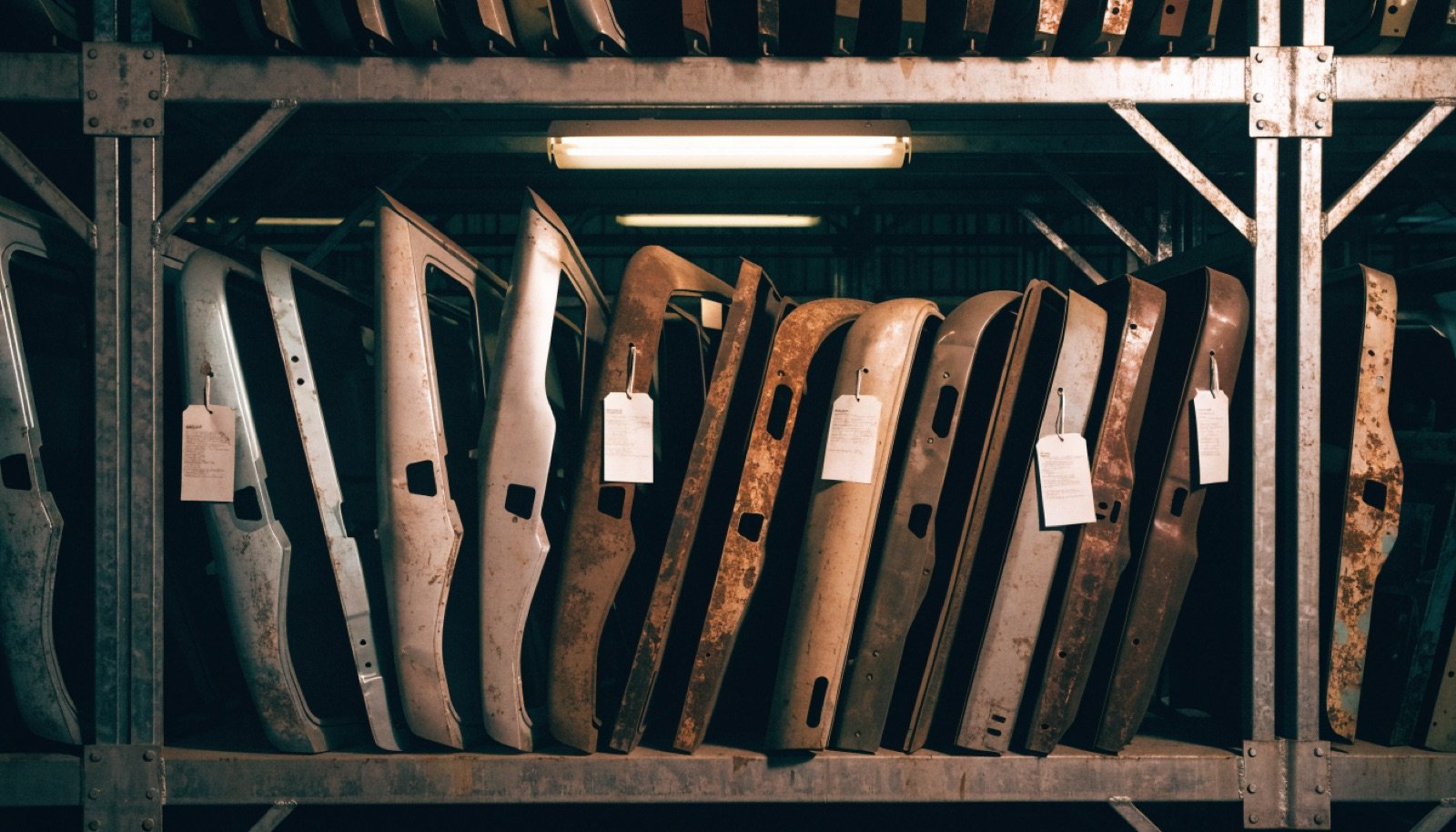
What happens to a truck between arriving here and a part going up
People ask what we mean when we say a part has been checked. Here is the whole process, start to finish, with nothing left out.
1. The truck arrives and gets assessed
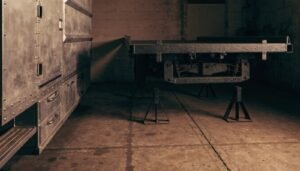
We buy damaged, high mileage and written off pickups. The first job is working out what is straight and what is scrap, because that decides whether the vehicle is worth dismantling at all.
We take the whole vehicle rather than buying parts loose at auction. That matters more than it sounds: it means every part we pull has a known donor, a known year and a known trim, so the fitment we publish comes from a record rather than a guess.
2. The parts come off
Front and rear bumpers, tailgates, bed sides, lights, brackets and the hardware that holds it together. Where we can keep a bracket with its panel we do, because brackets are usually the thing that has gone missing by the time somebody needs one.
Panels come off carefully. It is quicker to cut a bumper off a scrap truck and it is also how you bend the mounting points, so we do not.
3. Everything gets checked
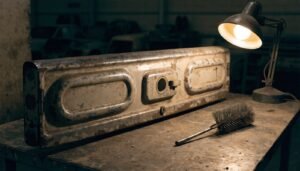
Mounting points, threads, brackets, and lamp function on anything electrical. Panels get sighted along their body lines to check they are straight.
If a panel is bent past use, a bracket is damaged or a thread is stripped, it does not get listed. We would rather lose the sale than sell somebody a panel they have to fight onto the truck.
4. It gets photographed as it sits
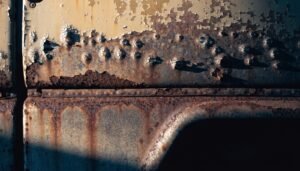
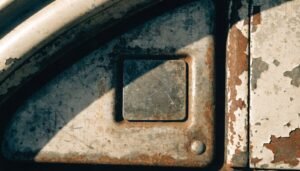
No touch ups, no flattering angles, no stock images. If there is a dent, the photograph shows the dent, and usually from the angle that shows it worst.
This is the part that costs the most time and it is the part we are least willing to shortcut. You are buying from photographs, so the photographs have to be the truth.
5. The fitment gets written down
Year range, make, model and cab, recorded against the donor vehicle. That is what appears on the listing and what the fitment finder searches. It is also why you can put your year and model into this site and only ever be offered combinations that actually exist.
What we do not do
We do not restore parts to look better than they are. We do not fill and paint a panel to hide damage. We do not describe a part removed from a truck as new, whatever its mileage, because to a marketplace and to a buyer "new" means never fitted.
And we do not sell airbags, airbag modules, seat belts, pretensioners or clock springs at all. Used restraint components cannot be verified against their original performance standard, several states restrict fitting them, and undeployed modules are regulated in transit.
Why it is worth the time
A used part business lives or dies on whether the thing in the box matches the thing in the photograph. Every step above exists to make that true.
Add comment